


Florida Heat and Marine Battery Life: How to Make Batteries Last
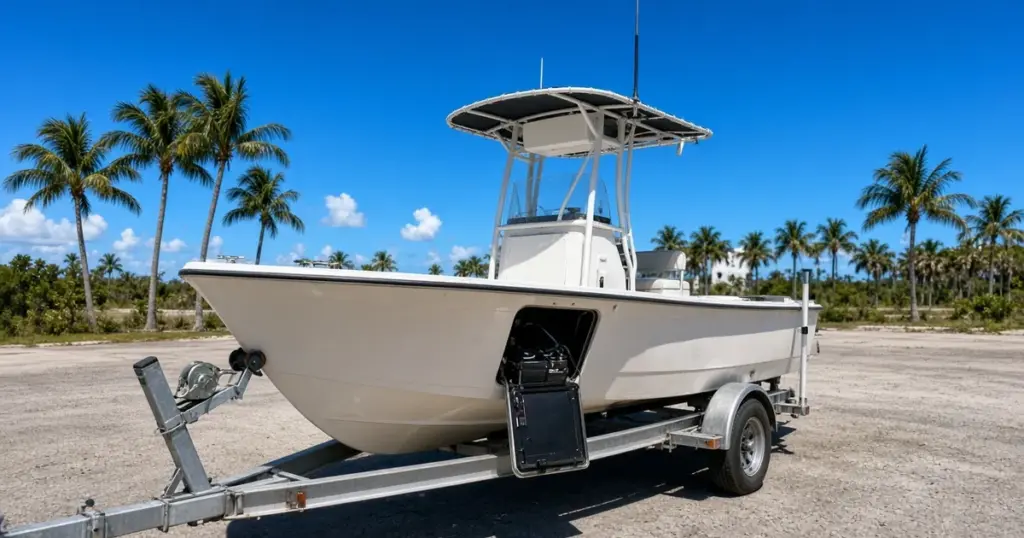
Ask any Florida boater about batteries and you’ll hear the same thing: they don’t last as long as they do up north. It isn’t your imagination. Heat is one of the biggest factors in battery aging, and marine battery life in heat-heavy climates like Florida’s takes a real hit if you don’t plan for it. The good news is that a few smart choices about where batteries live, how they’re charged and how they’re stored can make a meaningful difference.
Why heat shortens battery life
Batteries are chemical devices, and chemical reactions speed up as temperature rises. Higher temperatures can briefly improve performance, which is why batteries crank well in summer. But they also speed up the unwanted reactions that wear a battery out.
Lead-acid (flooded and AGM)
- Faster grid corrosion inside the battery.
- Faster self-discharge, so batteries that sit lose charge faster and are more likely to sulfate.
- Water loss in flooded batteries, and dry-out in AGM, especially when combined with charging at the wrong voltage.
Battery manufacturers rate lead-acid life at moderate temperatures. Sustained high temperatures mean shorter life than the rating suggests.
Lithium (LiFePO4)
LiFePO4 is one of the more heat-tolerant lithium chemistries, but heat still accelerates aging. The BMS will typically stop charging or discharging if the battery gets too hot. Check the manufacturer’s charge and discharge temperature ranges, which are often listed on the product page.
Where the heat comes from on a boat
- Sun-baked compartments: consoles, hatches and dark-colored lids can get far hotter than the air temperature.
- Engine rooms: inboard and sterndrive engine compartments get hot during and after running.
- Charging: high charge current, and over-charging in particular, generates heat inside the battery.
- Loose or corroded connections: resistance at a terminal turns current into heat right at the battery post.
- Trailers and storage: a boat on a trailer in a sunny lot, or in a metal storage building, can bake all day.
Practical ways to protect your batteries
1. Choose battery locations wisely
Where you have a choice, mount batteries in shaded, ventilated compartments, away from engines and exhaust. Avoid putting them directly under dark hatches that sit in full sun. If you’re adding batteries, for example a trolling bank or a house bank, plan their location with heat in mind.
2. Ventilate
Ventilation removes heat, and it’s essential for flooded batteries, which vent gas. Keep vents clear, and make sure compartments aren’t sealed airtight.
3. Charge correctly
- Use the correct charge profile for each chemistry: flooded, AGM or lithium.
- Some lead-acid chargers offer temperature compensation, which adjusts charge voltage for battery temperature. It’s especially valuable in hot climates. Use it if your charger supports it.
- Avoid chronic over-charging. A charger stuck at a high voltage in a hot compartment is a battery killer.
- For lithium, respect the manufacturer’s charge temperature range. The BMS will typically block charging if it’s too hot.
See charging lithium on a boat, and browse Chargers.
4. Keep connections clean and tight
A loose or corroded terminal creates heat right where you don’t want it. In Florida’s salt air, check connections often. Our guide to saltwater corrosion prevention covers the routine.
5. Check flooded batteries more often
Heat speeds water loss. Check electrolyte levels more frequently in summer, and top up with distilled water after charging. See AGM vs flooded maintenance.
6. Don’t let batteries sit discharged
Heat speeds self-discharge, and a discharged lead-acid battery sulfates. Recharge after every trip, and keep boats that sit for weeks on a smart maintainer or a regular charging schedule.
7. Manage storage
Florida boats often sit on lifts, in dry-stack racks or on trailers. If the boat will sit for a while, charge the batteries, disconnect parasitic loads, and keep the boat shaded or covered where you can. Lithium batteries can usually be stored at a partial state of charge; follow the manufacturer’s guidance. Our storage guide applies year-round here.
Does lithium handle heat better?
Lithium iron phosphate batteries have several advantages in hot climates. They self-discharge slowly, need no watering, and don’t vent gas. Many have sealed, water-resistant cases. Their BMS also protects them from charging or discharging outside safe temperature limits. They still age faster in sustained heat, so location and ventilation matter just as much. If you’re weighing an upgrade, read converting a boat to lithium and browse our Lithium collection, including batteries with Bluetooth monitoring, like many EPOCH and Battle Born models. Depending on the battery, the app may show temperature as well as state of charge. Popular 12V options include the EPOCH 12V 105Ah Essential and the Battle Born 12V 100Ah.
AGM vs flooded in the heat
Both lose life in heat. Flooded batteries lose water you can replace; AGM batteries can’t be re-watered, so correct charging matters even more. AGM’s sealed, spill-proof design and slower self-discharge make it popular for boats that sit, with options like the Interstate 31M-AGM and the Trojan 31-AES. Flooded batteries, like the Interstate SRM-31, remain an economical choice when they’re easy to reach and maintain. Compare options in AGM & Lead-Acid.
A summer checklist for Florida boaters
- Open battery compartments occasionally on hot days, and feel for excess heat after charging.
- Check charger settings for the correct chemistry, and for temperature compensation on lead-acid.
- Check flooded electrolyte levels more often from late spring through fall.
- Clean and protect terminals after salty trips.
- Keep the boat covered or shaded when it’s on the trailer or lift.
- Recharge after every trip, and don’t leave lead-acid batteries sitting half-charged.
Signs heat is hurting your batteries
- A flooded battery that needs water much more often than before.
- A swollen or bulging case, especially on AGM batteries. Replace it.
- Shorter runtime or slower cranking than last season.
- A lithium battery app showing high temperatures, or the BMS cutting off charging on hot days.
- Terminals or cables that feel hot after use.
Local help in Tampa Bay and Sarasota
We’re based on Florida’s Gulf Coast, so heat and salt are part of every battery recommendation we make. If you’re between Venice and Gainesville, FL, our local installation team can help you choose batteries, find a better location for them, and install chargers with the right profiles. Wherever you boat, we ship nationwide. Start with cranking vs dual purpose vs deep cycle to choose the right battery type, then browse House Bank and Trolling Motor batteries.