A trolling motor battery has one job: deliver steady power for hours while you work a shoreline, hold on a spot or idle along a weed edge. That takes a true deep-cycle battery, not a starting battery, and it takes the right voltage for your motor. Get both right, and you stop watching the battery meter and start fishing.
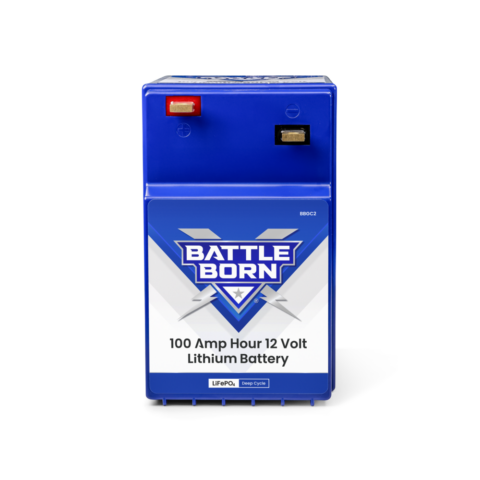
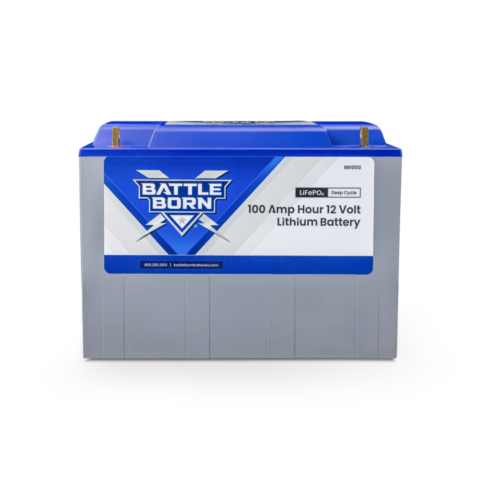
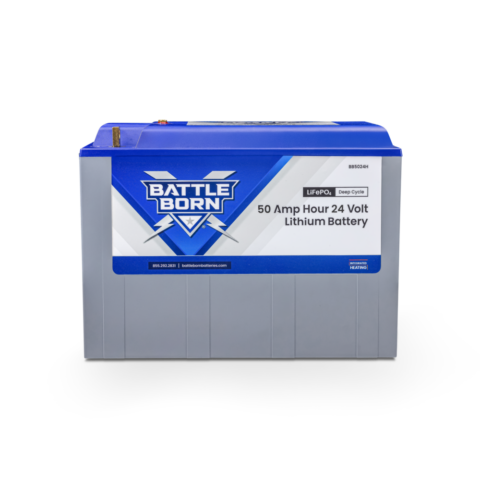
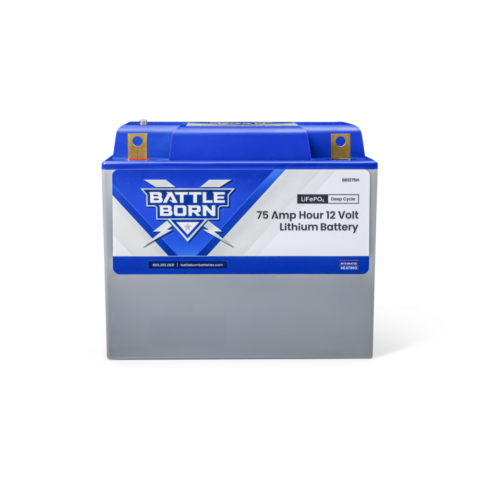
This collection covers trolling motor batteries for every common setup. There are 12V batteries for kayaks, jon boats and smaller bow-mounts, and 24V, 36V and 48V lithium batteries and matched battery sets for bass, bay and walleye boats. Choose lightweight LiFePO4 from Dakota Lithium, EPOCH, Battle Born, Lithium Rhino and ECO Battery, or proven deep-cycle AGM, EFB and flooded batteries from Trojan and Interstate.
Filter by voltage, capacity and chemistry to see what fits. Then check each product page for the manufacturer’s dimensions, weight and terminal details. We ship nationwide, and our team installs trolling motor systems anywhere from Venice to Gainesville, FL.
Choosing a trolling motor battery
1. Match your motor’s voltage
Your trolling motor is built for a specific system voltage, usually 12V, 24V or 36V, with some larger motors at 48V. The motor’s label or manual will tell you. A 24V system uses two 12V batteries in series or one native 24V battery; a 36V system uses three 12V batteries or one native 36V battery. Native high-voltage lithium batteries save space and connections, while multi-battery sets give you flexibility in how you fill the compartment. See how to wire a 24V or 36V setup.
2. Size capacity to your fishing day
Higher thrust motors draw more current, especially at high speed settings, wind and current. More amp-hours means more runtime. Think about how long you fish, how hard you run the motor, and whether you also power electronics from the same bank. Our guide to choosing a trolling motor battery by thrust and voltage shows how to estimate it without guesswork.
3. Pick a chemistry
- Lithium (LiFePO4): the lightest option, with steady voltage that keeps the motor’s speed consistent as the battery drains. It tolerates deep discharge and recharges quickly with the right charger. Browse Lithium.
- AGM: sealed, spill-proof and maintenance-free, at a lower upfront cost than lithium.
- Flooded deep cycle: the traditional choice. It needs periodic watering and ventilation, but it’s well understood. See AGM & Lead-Acid.
4. Check fit and weight
Measure your compartment, and note where the terminals need to face. Weight matters too: on smaller boats, the weight saved by switching to lithium can change how the boat rides, planes and drafts. Our BCI group size guide explains the size codes in product names.
5. Plan charging
An onboard charger with one bank per battery, or one matched to a native high-voltage battery, makes recharging simple after every trip. Lithium needs a lithium-compatible charger. Shop Chargers, plus connection kits, trays and fuses in Accessories.
Trolling motor battery FAQ
Can I use a starting battery for my trolling motor?
It’s not a good idea. Starting batteries are built for short bursts, and repeated deep discharge shortens their life. Use a deep-cycle or a deep-cycle-rated dual-purpose battery.
Can I run my electronics off the trolling motor battery?
On a 12V system, you can, though sonar may show interference and you’ll lose runtime. On 24V and 36V series banks, avoid tapping one battery for 12V, because it unbalances the bank. Use a separate 12V battery or a suitable DC-DC converter.
Should all batteries in a series bank match?
Yes. Use the same brand, model, capacity and age, and charge them as the manufacturer recommends.
Do you install trolling motor batteries?
Yes, anywhere from Venice to Gainesville, FL. See local installation or contact us.
Prices, stock and shipping options are confirmed in your cart and at checkout.